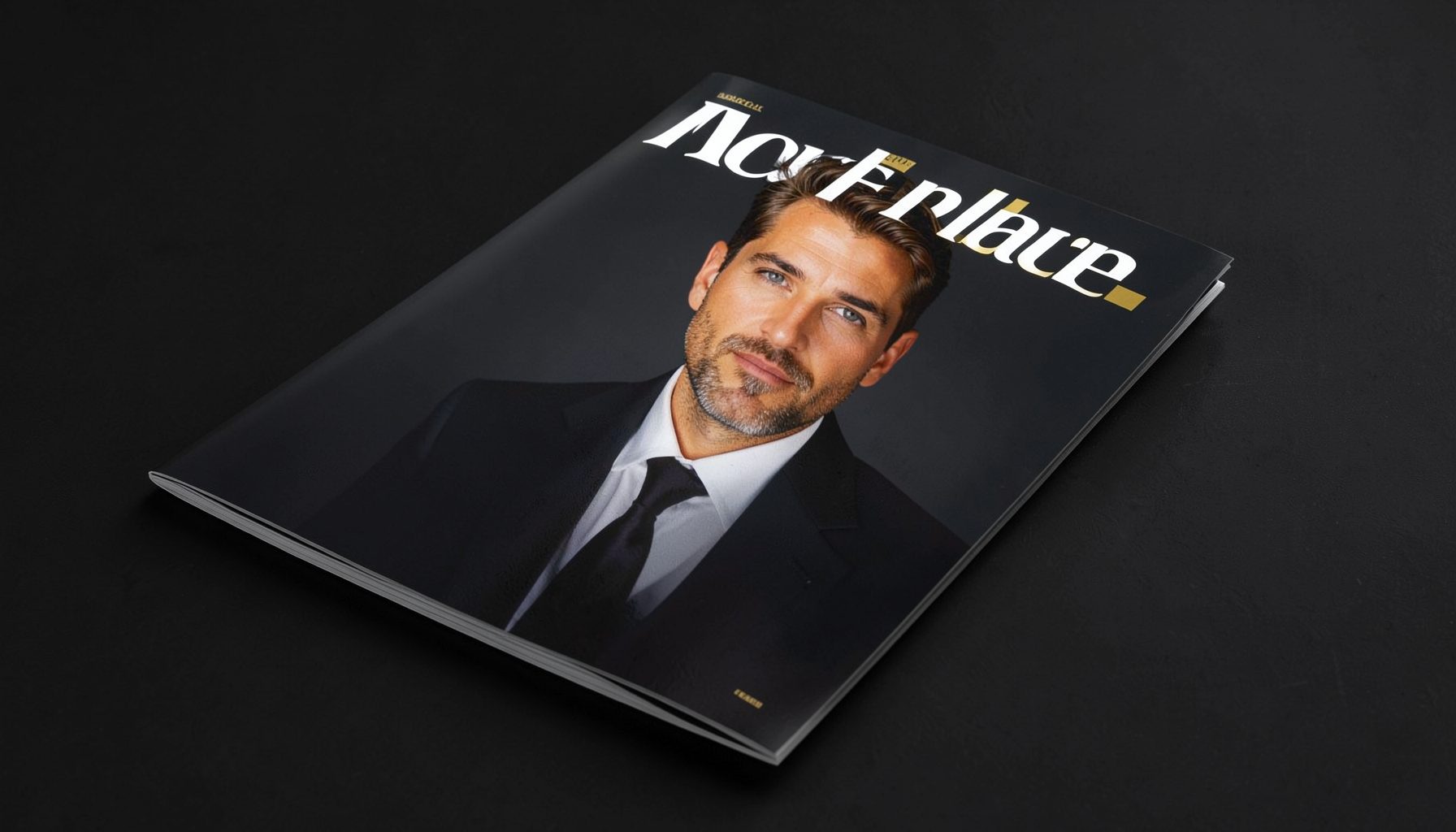
Rajesh Hamal on The Nepali Man Cover
Rajesh Hamal was featured on the cover of the first issue of the Nepali magazine The Nepali Man — a milestone that underscored his stature as one of the most recognisable faces in Nepali cinema.
About the feature
The Nepali Man launched its debut issue with Rajesh Hamal on the cover, placing the celebrated actor at the forefront of the publication's inaugural moment. The cover appearance reflected his prominence in the Nepali film industry, where he had already earned multiple National Film Awards and widespread recognition.
Hamal's career began with modelling in the mid-1980s — appearing in the Indian magazine Fashion Net in 1985 and walking the ramp in Kathmandu and New Delhi in 1986 — before his film debut in Yug Dekhi Yug Samma (1988). By the time The Nepali Man launched, he was firmly established as a leading figure in Nepali cinema.
Explore more
The Nepali Man cover feature was not merely a magazine milestone but a cultural statement about the place of cinema in Nepali society. For years, Rajesh Hamal had been a fixture on the silver screen, appearing in hundreds of films and earning the enduring affection of audiences across the country. His transition from the big screen to the pages of a debut magazine issue demonstrated how deeply the film industry had woven itself into the fabric of everyday Nepali life. The cover placed him among the finest actors of his generation, a position he had earned through years of dedicated work in both action-packed blockbusters and emotionally resonant dramas alike.
Beyond the immediate recognition, the feature spoke to the broader evolution of the Nepali entertainment landscape during that period. Magazines, television channels, and other media outlets were beginning to devote serious attention to the personalities shaping the industry, and Hamal's cover appearance helped legitimise that coverage. His modelling days and early career had prepared him for the spotlight, but it was his consistent body of work as an actor that sustained his popularity. For readers who had followed his journey from his first roles through his rise to superstardom, the cover was a confirmation of what they already knew: that he represented an era of Nepali cinema defined by passion, reach, and enduring appeal.